Morocco Identified as Lower-Risk Nation for Money Laundering in MENA


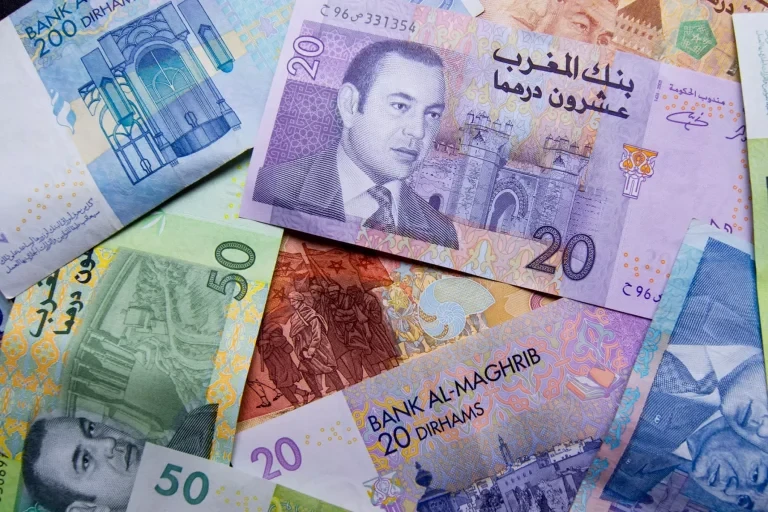
Morocco has been recognised as one of the lower-risk nations in the Middle East and North Africa (MENA) region regarding money laundering and associated financial crimes, according to the Basel Anti-Money Laundering (AML) Index 2025, released in December by the Basel Institute on Governance.
Scoring 5.04 out of 10, Morocco is categorised within the medium-risk bracket, ranking 100th out of 177 jurisdictions evaluated globally. While this ranking does not position Morocco among the most secure jurisdictions worldwide, it does place the country in the safer half when compared to its regional and continental counterparts.
In the context of the MENA region, Morocco outperforms several nations with higher risk assessments, including Algeria, Kuwait, the United Arab Emirates, Lebanon, Iraq, and Saudi Arabia, all of which recorded elevated risk scores this year. Only a few regional jurisdictions, such as Tunisia and Oman, achieved lower scores than Morocco.
The index indicates that the MENA region has seen a slight overall increase in risk levels this year, primarily attributed to escalating political and legal uncertainties. Financial transparency remains the weakest aspect in the region, despite some modest advancements in corruption-related indicators.
In the broader African context, Morocco ranks 43rd out of 48 countries assessed, positioning it among the nations with the lowest exposure to money laundering risks. This stands in stark contrast to higher-risk nations such as the Democratic Republic of the Congo, Chad, and Equatorial Guinea, which are situated near the top of the global risk hierarchy.
On a global scale, the Basel Institute reported a minor improvement in average money laundering risk, with over half of the jurisdictions evaluated showing better scores compared to the previous year. However, the report advises caution in interpreting these rankings, emphasising that the index reflects structural vulnerability and the capacity to respond, rather than the volume of illicit financial activity.
The Basel AML Index is an annual, data-driven assessment that evaluates risks related to money laundering and financial crimes using 17 indicators across various domains, including the robustness of anti-money laundering frameworks, corruption, financial transparency, public accountability, and adherence to the rule of law.

B.C. Electric Vehicle Charger Company Fined for Investor Misconduct

Ontario Authorities Recover 306 Stolen Vehicles in Major Probe

MP Technology Services fined CAD 536,853 for Canada AML breaches

Toronto man charged with terrorism over alleged ISIS-linked activities